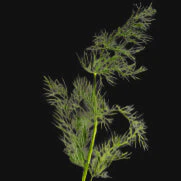
Dill
A fragrant, fast-growing annual herb known for its delicate feathery leaves and aromatic seeds. Used for centuries in cooking and traditional medicine, dill is valued for its bright, tangy flavour that pairs well with fish, vegetables, and sauces.
For the best fresh herb harvest, plant dill in small successions and cut leaves before they set seed. If left to mature, the seed heads develop into a flavourful spice commonly used for pickling and seasoning dishes. This versatile plant is an essential addition to culinary and herb gardens.
Where Can You Grow Dill?
Dill thrives in Zones 3-9, preferring full sun and well-drained, fertile soil. It grows well in raised beds, garden borders, and containers, making it suitable for both large and small spaces.
History and Historical Uses
Dill has been cultivated for thousands of years, with historical records dating back to ancient Egypt, Greece, and Rome. Traditionally used for both culinary and medicinal purposes, dill was believed to aid digestion and relieve discomfort. Today, it remains a staple in kitchens worldwide, enjoyed fresh or dried.
Canadian Zone Information
Zones 8-9: Direct sow in early spring or autumn for an extended harvest.
Zones 5-7: Sow seeds in spring and late summer for continuous growth.
Zones 3-4: Start seeds indoors in early spring or direct sow after the last frost.

How to Grow and Harvest Dill
- Planting: Sow seeds 6mm (1/4in) deep, spacing plants 15-30cm (6-12in) apart.
- Watering: Keep soil moderately moist, but avoid overwatering.
-
Harvesting:
- Pick young leaves for fresh use before flowering.
- Allow seed heads to fully mature for pickling or drying.
- Succession Planting: Sow every 2-3 weeks for a continuous supply of fresh dill.
Seed Saving Tips for Future Supply
- Allow to Flower and Seed: Leave some plants to fully mature and produce seed heads.
- Harvest Seeds: Once the seed heads dry and turn brown, collect them before they disperse naturally.
- Dry and Clean: Remove seeds from husks and allow them to fully dry.
- Store: Keep seeds in an airtight container in a cool, dark place. Properly stored seeds remain viable for up to 4 years.
Certified Organic By
Islands Organics Producers Association (Cert#1962)
A fragrant, fast-growing annual herb known for its delicate feathery leaves and aromatic seeds. Used for centuries in cooking and traditional medicine, dill is valued for its bright, tangy flavour that pairs well with fish, vegetables, and sauces.
For the best fresh herb harvest, plant dill in small successions and cut leaves before they set seed. If left to mature, the seed heads develop into a flavourful spice commonly used for pickling and seasoning dishes. This versatile plant is an essential addition to culinary and herb gardens.
Where Can You Grow Dill?
Dill thrives in Zones 3-9, preferring full sun and well-drained, fertile soil. It grows well in raised beds, garden borders, and containers, making it suitable for both large and small spaces.
History and Historical Uses
Dill has been cultivated for thousands of years, with historical records dating back to ancient Egypt, Greece, and Rome. Traditionally used for both culinary and medicinal purposes, dill was believed to aid digestion and relieve discomfort. Today, it remains a staple in kitchens worldwide, enjoyed fresh or dried.
Canadian Zone Information
Zones 8-9: Direct sow in early spring or autumn for an extended harvest.
Zones 5-7: Sow seeds in spring and late summer for continuous growth.
Zones 3-4: Start seeds indoors in early spring or direct sow after the last frost.
How to Grow and Harvest Dill
- Planting: Sow seeds 6mm (1/4in) deep, spacing plants 15-30cm (6-12in) apart.
- Watering: Keep soil moderately moist, but avoid overwatering.
-
Harvesting:
- Pick young leaves for fresh use before flowering.
- Allow seed heads to fully mature for pickling or drying.
- Succession Planting: Sow every 2-3 weeks for a continuous supply of fresh dill.
Seed Saving Tips for Future Supply
- Allow to Flower and Seed: Leave some plants to fully mature and produce seed heads.
- Harvest Seeds: Once the seed heads dry and turn brown, collect them before they disperse naturally.
- Dry and Clean: Remove seeds from husks and allow them to fully dry.
- Store: Keep seeds in an airtight container in a cool, dark place. Properly stored seeds remain viable for up to 4 years.
Certified Organic By
Islands Organics Producers Association (Cert#1962)
Original: $5.14
-70%$5.14
$1.54Description
A fragrant, fast-growing annual herb known for its delicate feathery leaves and aromatic seeds. Used for centuries in cooking and traditional medicine, dill is valued for its bright, tangy flavour that pairs well with fish, vegetables, and sauces.
For the best fresh herb harvest, plant dill in small successions and cut leaves before they set seed. If left to mature, the seed heads develop into a flavourful spice commonly used for pickling and seasoning dishes. This versatile plant is an essential addition to culinary and herb gardens.
Where Can You Grow Dill?
Dill thrives in Zones 3-9, preferring full sun and well-drained, fertile soil. It grows well in raised beds, garden borders, and containers, making it suitable for both large and small spaces.
History and Historical Uses
Dill has been cultivated for thousands of years, with historical records dating back to ancient Egypt, Greece, and Rome. Traditionally used for both culinary and medicinal purposes, dill was believed to aid digestion and relieve discomfort. Today, it remains a staple in kitchens worldwide, enjoyed fresh or dried.
Canadian Zone Information
Zones 8-9: Direct sow in early spring or autumn for an extended harvest.
Zones 5-7: Sow seeds in spring and late summer for continuous growth.
Zones 3-4: Start seeds indoors in early spring or direct sow after the last frost.
How to Grow and Harvest Dill
- Planting: Sow seeds 6mm (1/4in) deep, spacing plants 15-30cm (6-12in) apart.
- Watering: Keep soil moderately moist, but avoid overwatering.
-
Harvesting:
- Pick young leaves for fresh use before flowering.
- Allow seed heads to fully mature for pickling or drying.
- Succession Planting: Sow every 2-3 weeks for a continuous supply of fresh dill.
Seed Saving Tips for Future Supply
- Allow to Flower and Seed: Leave some plants to fully mature and produce seed heads.
- Harvest Seeds: Once the seed heads dry and turn brown, collect them before they disperse naturally.
- Dry and Clean: Remove seeds from husks and allow them to fully dry.
- Store: Keep seeds in an airtight container in a cool, dark place. Properly stored seeds remain viable for up to 4 years.
Certified Organic By
Islands Organics Producers Association (Cert#1962)